
Introduction:
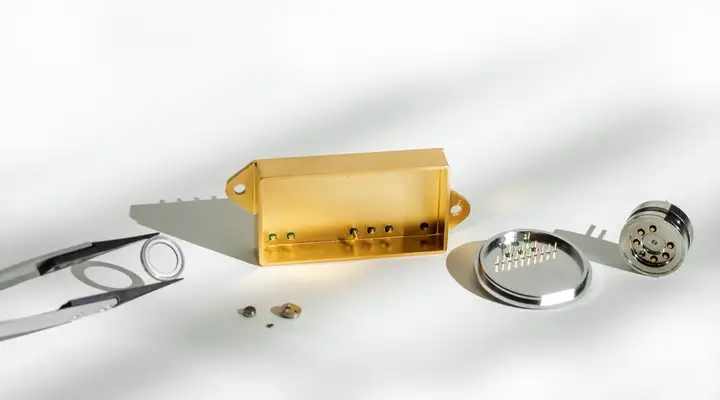
Hermetic feedthroughs are essential components in many industrial applications, providing a reliable seal for passing electrical and optical signals through a barrier. However, like any mechanical system, they are prone to failure if not properly maintained. In this article, we will explore some of the common failure modes in hermetic feedthroughs and discuss how to prevent them.
Common Failure Modes:
- Leakage: One of the most common failure modes in hermetic feedthroughs is leakage. This can be caused by a variety of factors, such as improper installation, corrosion of the sealing material, or mechanical damage. To prevent leakage, it is important to carefully inspect the feedthrough during installation and regularly check for any signs of corrosion or damage.
- Breakage: Another common failure mode is breakage of the feedthrough itself. This can happen due to excessive mechanical stress, thermal cycling, or improper handling. To prevent breakage, it is crucial to ensure that the feedthrough is installed correctly and that it is not subjected to excessive strain or temperature fluctuations.
- Electrical Failure: Electrical failures in hermetic feedthrough can be caused by poor contact between the conductors, corrosion of the contacts, or insulation breakdown. To prevent electrical failures, it is important to use high-quality materials for the contacts and insulation, and to perform regular inspections to check for any signs of wear or corrosion.
- Thermal Failure: Thermal failures in hermetic feedthroughs can occur when the feedthrough is subjected to high temperatures, causing the seal to degrade and leading to leakage or electrical breakdown. To prevent thermal failures, it is important to use feedthroughs with a high-temperature rating and to ensure that they are properly cooled in high-temperature environments.
How to Prevent Common Failure Modes:
- Proper Installation: Ensure that the feedthrough is installed correctly, following the manufacturer’s guidelines and using the recommended materials and tools.
- Regular Inspections: Regularly inspect the feedthrough for any signs of corrosion, damage, or wear, and address any issues promptly.
- Use High-Quality Materials: Use high-quality materials for the feedthrough components, including the conductors, insulation, and sealing material.
- Avoid Excessive Mechanical Stress: Avoid subjecting the feedthrough to excessive mechanical stress, such as over-tightening the connections or bending the feedthrough at sharp angles.
- Control Temperature: Maintain the feedthrough within its temperature rating to prevent thermal failures.
In conclusion, hermetic feedthroughs are critical components in many industrial applications, and it is important to understand the common failure modes and how to prevent them. By following proper installation procedures, using high-quality materials, and performing regular inspections, you can ensure the reliability and longevity of your hermetic feedthroughs.
Learn about the common failure modes in hermetic feedthroughs and how to prevent them to ensure the reliability of your industrial applications.
Remember, the key to preventing common failure modes in hermetic feedthroughs is proactive maintenance and attention to detail. By following these guidelines, you can maximize the performance and lifespan of your feedthroughs, ultimately saving time and resources in the long run.


More Stories
Unlocking Financial Agility: How Agile Methodologies Are Revolutionizing Business Finance
The Art of Smart Money Moves: Financial Planning for a Fulfilling Future
Smart Money Moves: Crafting Your Path to Financial Freedom